


Hot Right Now

Happy Independence Days, Paraguay!
2010 marks Paraguay´s 199th year as an independent nation. May 14th and 15th are celebrated as Independence Day / s in...
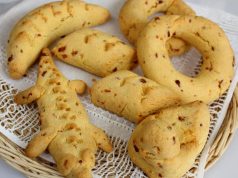
Semana Santa = Chipa
The activities of Semana Santa (Holy Week) leading up to Easter Sunday in Paraguay are, for the most part, similar...

The Aromas of Summer
As I´ve mentioned before, the smell of flor de coco wafting through the air is a sign of the holiday season and...

Fried Delights
The popular Fiesta de San Juan, a patron saint festival celebrated throughout Paraguay, takes place on June 23rd. The Fiesta de...

Paraguay Photo Contest
The first day of 2010 is a great time to look back on years past and say "so long and...
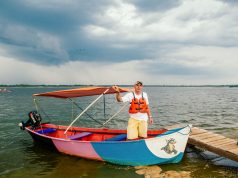
The 4 R’s of Environmentalism in Paraguay – Las 4 R’s de la Ecología...
In honor of Earth Day (April 22nd) I thought I´d talk about the three Rs of environmentalism, Paraguay style. Actually...




Hollywood
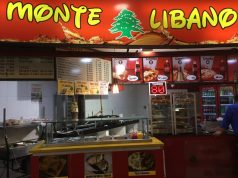
Discovering Paraguay on Facebook!
Hello all! It's been quite a while since I've posted anything about Paraguay. Since I have been absent from the blog a...

Swine Flu: Tips Before You Travel
Tip #1 Swine Flu, Tips Before You Travel - Wash Your Hands Wash your hands all the time. Washing your hands...

´Tis the season for Clericó! – It’s Clerico Season!
All of Paraguay´s holiday traditions are on display as we enter the month of December. People are making the pilgrimage to Caacupé, setting...
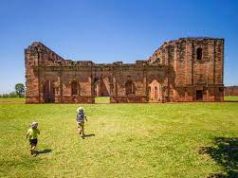
Digital Paraguay Guidebook – Paraguay Digital Tourist Guide
Good news! Now there are two ways to read about Paraguay. Like this: I'm happy to announce that my guidebook to Paraguay (officially titled...
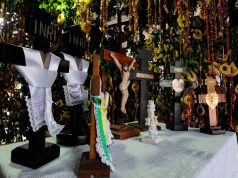
Kurusu Ára
These last couple of days in Paraguay have been full of celebrations. First up was the “Teacher's Day” on April 30th...

How To Judge Abilities Of Buyers Advocate
The properties are the best units to invest in. The gold price may show a sudden drop down, the...
LATEST ARTICLES
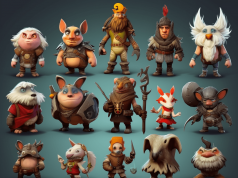
Learning Playing Games Online
Video games from gameboost.com/account-shop are a great way to socialize and connect with people of all ages. Gamers - especially...

Security Cameras Can Protect Your Home
A security camera can help protect your home. A video surveillance system can be used for monitoring your children's movements...

Explore The Fifth Arrondissement In Paris
Taking a family trip to Paris is a great way to make the most of your Euro travel. There are...
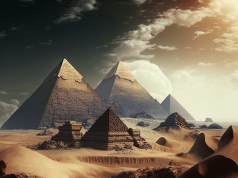
Top Travel Adventure Blogs
Travel blog posts will inspire you to travel whether you are planning a vacation or just looking for inspiration. Blogs...
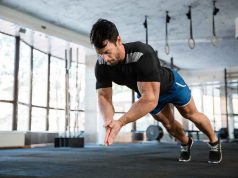
What are the benefits of Plyometric And Stretching Exercises?
What is it? Plyometric Exercises are combined with a lot of dynamic movies. This means that this exercise contains the rapid...
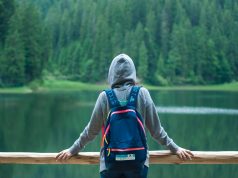
Benefits of maintaining a good lifestyle
Presently, everyone wants to acquire the latest fashion and want to maintain a good lifestyle. This can allow them to...
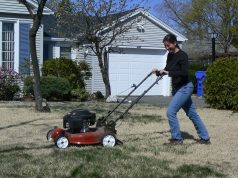
Manual Reel Mowing Adventures, Tips and Pointers
I've recently inherited a manual lawn mower. I was so excited at the prospect of fume free mowing especially after...
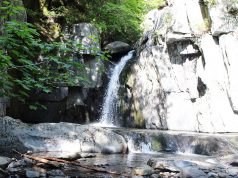
My Adventures in Gulf Hagas, the Grand Canyon of Maine
The Gulf Hagas was a hike that my mother and I were very excited about. There are many different waterfalls...
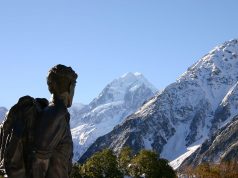
Sir Edmund Hillary, Climber, Adventurer and New Zealand Hero, Dead at 88
Sir Edmund Hillary has died at age 88, after a long series of adventures and having contributed much to the...

My Momma Made Me Sneeze: An Adventure with 3 Old Ladies and 10 Bars
I want to tell you about my vacation. In the military, we don't really get vacation. It's called "leave," and...
